
Manage Artificial Turf Risks on Campus
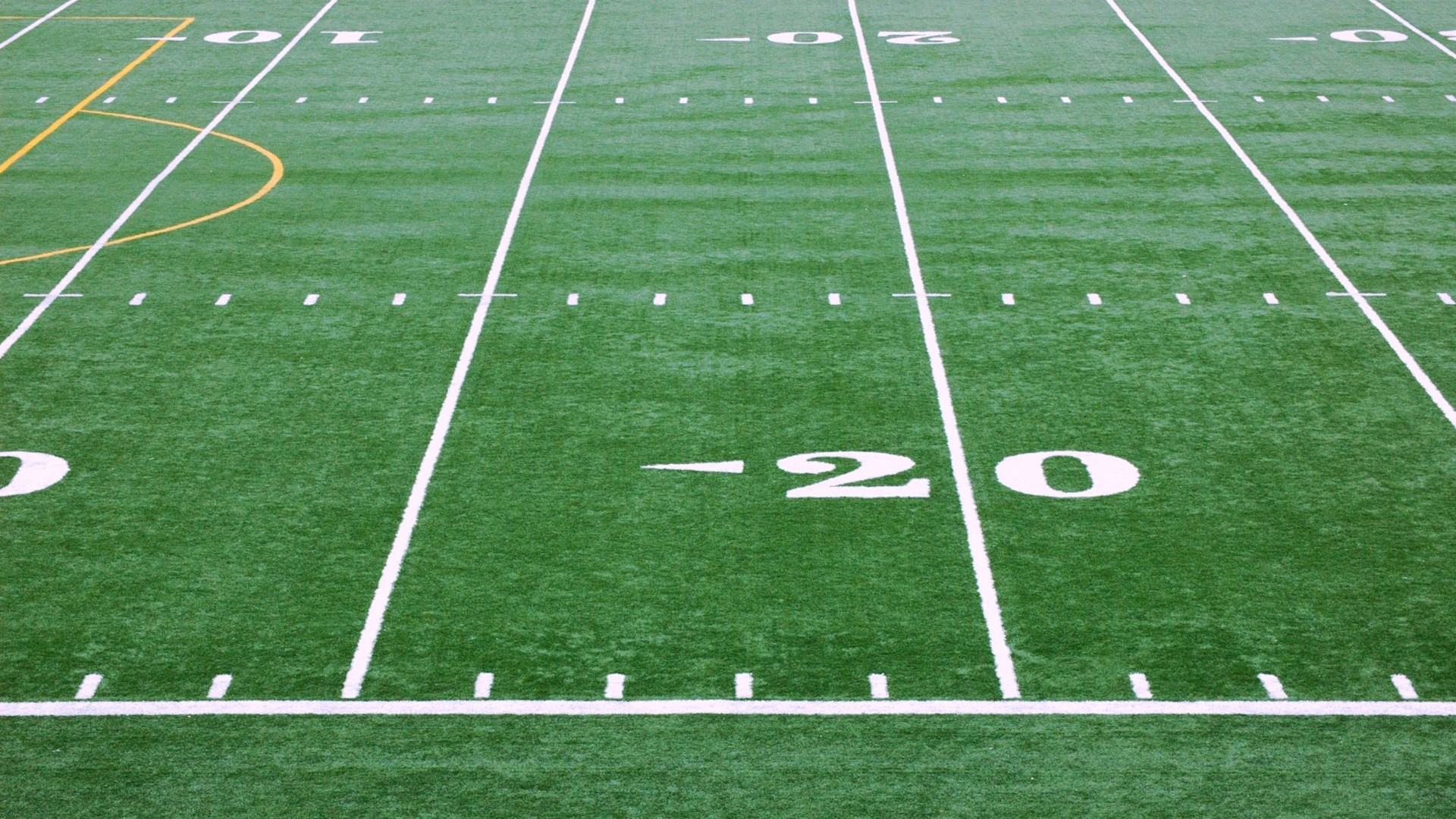
Artificial turf is increasingly common on college and university campuses because it is durable, can withstand heavy use, and expands field availability.
Address artificial turf-related risks when selecting, installing, using, maintaining, and replacing a field. A coordinated approach involving athletics, facilities, environmental health and safety, risk management, procurement, and legal counsel can help prevent injuries and costly problems.
Prioritize Routine Field Maintenance
Routine inspections and preventative maintenance can help reduce safety hazards while extending the life of an artificial turf field. A well-maintained field also can provide a more consistent playing surface for athletes.
Assign responsibility for field inspections, maintenance, testing, and documentation and identify who has authority to restrict or suspend field use when conditions may present a safety hazard.
Routine maintenance should include:
- Performing regular inspections for damaged seams, uneven surfaces, debris, or worn infill
- Checking for drainage issues, standing water, excessive field hardness, or inadequate impact attenuation
- Inspecting perimeter edges and transition areas where the field meets tracks, sidewalks, or other paved surfaces to identify potential trip hazards or deterioration
- Closing or restricting affected areas until significant defects are addressed
- Following the manufacturer’s recommended maintenance schedule, including grooming, infill replenishment, and surface testing
- Inspecting for damage caused by maintenance vehicles, field covers, snow removal equipment, or special events that may affect field performance or safety
- Creating and retaining records of inspections, maintenance activities, repairs, and testing results
Protect Athletes From Heat-Related Illness
Artificial turf can reach significantly higher surface temperatures than natural grass, especially during warmer months. Athletes, coaches, spectators, and event staff should take proper precautions to prevent heat-related illnesses.
To reduce heat-related risks:
- Monitor on-site environmental conditions using wet-bulb globe temperature, when feasible.
- Use field-surface temperature as supplemental information, particularly for potential contact burns and localized radiant heat.
- Incorporate acclimatization, work-rest schedules, hydration, shade, and cooling equipment into activities. Ensure rapid recognition and treatment of exertional heat illness are in the venue’s emergency action plan.
- Establish written thresholds for modifying, relocating, postponing, or canceling activities.
Use Injury Data to Identify Field Concerns
Research comparing injury rates on artificial turf and natural grass remains mixed. Evaluate your institution’s field conditions and identify potential safety concerns by monitoring injury and incident trends across all groups using the field.
To help reduce injury:
- Track reported injuries by field, playing surface, sport or activity, footwear, weather, and field condition.
- Compare injury reports with inspection, maintenance, and testing records.
- Establish a process for athletic trainers and facilities staff to escalate concerns that a field condition may have caused an injury.
- Consult appropriate sports medicine and playing-surface experts when patterns emerge.
- Encourage athletes to wear appropriate footwear for their sport and artificial turf.
More From UE
Reminders: Heat Illness in Sports
Additional Resources
Centers for Disease Control and Prevention (CDC): Clinical Overview of Heat
About the Author
-

Heran Mergia with Lindsey Dunn
Risk Research Intern
Heran Mergia is a Risk Research Intern with United Educators and a recent graduate of Virginia Commonwealth University with a Bachelor of Science in Business Administration and a minor in Risk Management and Insurance. She enjoys researching emerging risks in higher education and developing practical risk management resources for colleges and universities.