
Invisible Disabilities
An invisible disability is a physical, mental, or neurological condition that is not visible from the outside but can limit or challenge a person’s movements, senses, or activities.
Examples of invisible (also called hidden) disabilities include:
- Mental or psychiatric conditions
- Learning disabilities and attention deficit disorders
- Autism spectrum disorders and other forms of neurodivergence
- Chronic diseases (such as HIV/AIDS or diabetes)
- Digestive and nutritional disorders (such as Crohn’s Disease or Celiac disease)
In a 2025 survey of college students with disabilities, 67% of students reported a mental health condition, followed by 43% who reported attention deficit disorder or attention deficit hyperactivity disorder. Neurodivergence (a broad term meaning a person’s brain processes, learns, and behaves differently than societal norms consider “typical”) was in third place, reported by 25% of students.
People with invisible disabilities often do not disclose their conditions for fear of prejudice or social stigma. Fear of disclosure is typically more acute among the traditional student-age population and those whose disability was recently diagnosed.
The ADA Amendments Act of 2008 broadened the meaning of “disability” under the Americans with Disabilities Act (ADA) by expanding the definition of two key terms: “major life activities” and “major bodily functions.” If a person’s condition substantially limits a major activity or function, they may be entitled to disability protection under the ADA. For examples of major life activities and major bodily functions, see 42 USC § 12102(2).
By broadening the disabilities the ADA protects, the amendments make it easier for people with debilitating conditions to qualify for protection, which is particularly beneficial for those with invisible disabilities. In the past, people with debilitating conditions may have been refused accommodations if their disabilities were not immediately apparent or their condition did not meet the narrower definition of disability.
Developments Involving Disabilities, Accommodations
Some institutions have run afoul of the amendments as they follow their own policies on disabilities and accommodations. The amendments provide strong grounds for protecting invisible disabilities, so your institution must be vigilant when addressing accommodations. Consider the following developments as you apply, review, and revise your policies:
- In 2024, California State University Northridge and other defendants reached a settlement agreement with the California Civil Rights Department, paying a total of $230,000 to a former student who alleged she was forced out of a federally funded scholarship program as the result of an “intrusive” mental health questionnaire administered by an internship site and was prevented from seeking a reasonable accommodation. The settlement also required the defendants to develop policies to avoid future discrimination.
- In 2023, Yale University settled a lawsuit alleging it had long discriminated against students with mental health disabilities in violation of the ADA, Section 504 of the Rehabilitation Act, and other laws. Yale made numerous policy changes, including allowing part-time study as a reasonable accommodation in some cases and improving its procedures for voluntary and involuntary medical leave and reinstatement.
- In 2021, Brown University settled a compliance investigation by the Department of Justice (DOJ) of the university’s alleged practice from 2012-17 of denying readmission to students who took a medical leave of absence for mental health reasons, even if they met other requirements for returning to school. In addition to modifying its policies and practices and providing training, Brown paid $684,000 in compensation for certain affected students.
- In 2019, Rider University and the DOJ settled a student's claim that the university violated the ADA by failing to modify its policies and practices related to dining options and meal plans for students with disabilities based on food allergies. Among other things, the agreement required Rider to improve its dining policies, staff training, and food preparation practices.
- In 2015, a private career college settled with the DOJ an applicant’s claim that when the college learned he was HIV-positive after accepting him for admission to a licensed practical nursing program, it discouraged him from enrolling. When he persisted, the college told him the class was full. The settlement required the college to implement a revised nondiscrimination policy and take related steps, including training staff on the new requirements and reporting to the DOJ. The college paid the applicant $30,000 in compensatory damages plus a $5,000 fine to the government.
ADA Digital Accessibility Standards
In 2024, the regulations implementing Title II of the ADA were amended to help ensure people with disabilities can access web content and mobile apps. Different effective dates in 2027 and 2028 apply to public educational institutions (depending on size).
More From UE
Accommodating Student Disabilities Course Collection
Student Discrimination Risk Assessment: Higher Ed
Understand Your Duty to Make Technology Accessible
Additional Resources
University of Illinois: Understanding Visible and Invisible Disabilities
University of Washington: Invisible Disabilities
This material is presented for general informational and risk management purposes only. It should not be considered legal, coverage, or other professional advice. Readers should consult their legal counsel, broker, or other appropriate adviser regarding their specific circumstances.
Copyright in this material is owned by United Educators (UE), a Reciprocal Risk Retention Group, unless otherwise stated. Permission to post, reproduce, distribute, share, or use this material beyond its intended audience must be obtained from UE. All rights are reserved.
About the Author
-
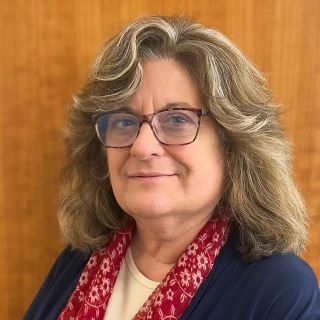
Hillary Pettegrew, Esq.
Senior Risk Management Counsel
Hillary’s areas of expertise include employment law, Title IX, and study abroad issues. Before joining the Risk Research team, she practiced employment law and handled UE education liability claims.